Most people think of blinds as an afterthought — something practical you add at the end of a renovation to block out the sun or stop the neighbours from peering in. A box to tick. A finishing touch.
But here’s what the best interior designers know that most homeowners don’t: your blinds are one of the largest blocks of colour and texture in any room. A standard window can take up several square metres of wall space, and whatever covers it has an enormous influence on how the entire room feels.
Choose well, and your blinds can elevate a space, tie a colour scheme together, and make a room feel larger, brighter, or cosier. Choose poorly, and even the most expensively decorated room can feel disjointed and unfinished.
Let’s talk about how to get it right.
Blinds Are a Design Element, Not Just a Window Covering
Think about it this way: your sofa might take up a few square metres. Your rug, a similar amount. Your blinds? Often just as much, if not more — and they sit at eye level, catching natural light all day long.
This means the colour and texture of your blinds will either blend seamlessly into your colour palette or stand out as a feature — and both approaches can be stunning when done intentionally. The key word is intentionally. The mistake most people make is treating blinds as a neutral default, when in fact, every shade tells a story.
The Two Approaches: Blend or Contrast
Blending In: The Seamless Look
If your goal is a calm, cohesive, and spacious-feeling room, choosing blinds in a colour close to your wall colour is a wonderful strategy. When the blinds nearly match the walls, the eye doesn’t register them as a separate object — instead, the window simply becomes part of the architecture, and the room feels larger and more unified.
This approach works beautifully in smaller rooms, bedrooms designed for relaxation, and any space where you want the focus to be on furniture, artwork, or a view rather than the window treatment itself.
Pairing tip: Soft creams, warm whites, and gentle greys work as near-universal blenders, while deeper neutrals like taupe or charcoal can blend beautifully into moodier, more dramatic colour schemes.
Contrasting: The Statement Look
On the other hand, blinds can be one of the most effective — and cost-efficient — ways to introduce a bold accent colour into a room. A deep emerald green Roman blind against soft white walls. A rich mustard roller blind in an otherwise monochrome kitchen. A textured charcoal Venetian against pale blush walls.
This approach injects personality and draws the eye toward the natural light source, often making the window feel like a deliberate feature rather than just an opening in the wall.
Pairing tip: If you’re going bold with your blinds, try to echo that colour somewhere else in the room — a cushion, a piece of art, a vase — so it feels like a deliberate design choice rather than an isolated splash of colour.
How Colour Affects the Mood of a Room
Colour psychology isn’t just marketing fluff — it has a real, measurable effect on how we feel in a space, and your blinds play a starring role.
Warm tones — terracotta, mustard, deep reds, warm browns — create a sense of cosiness and intimacy. They’re wonderful in dining rooms, living rooms, and any space where you want people to gather and linger.
Cool tones — soft blues, sage greens, dove greys — have a calming, restful effect. These are ideal for bedrooms, bathrooms, and home offices where focus and relaxation matter.
Neutral tones — whites, creams, taupes, soft greiges — are timeless and versatile. They allow other elements in the room to shine and provide a flexible base that can evolve with changing trends and seasons.
Dark tones — charcoal, navy, deep forest green — add drama and sophistication. In the right setting, dark blinds can make a room feel luxurious and enveloping rather than small, especially when paired with good lighting and metallic accents.
Don’t Forget Texture and Material
Colour is only half the story. The material of your blind dramatically affects how that colour reads in a room.
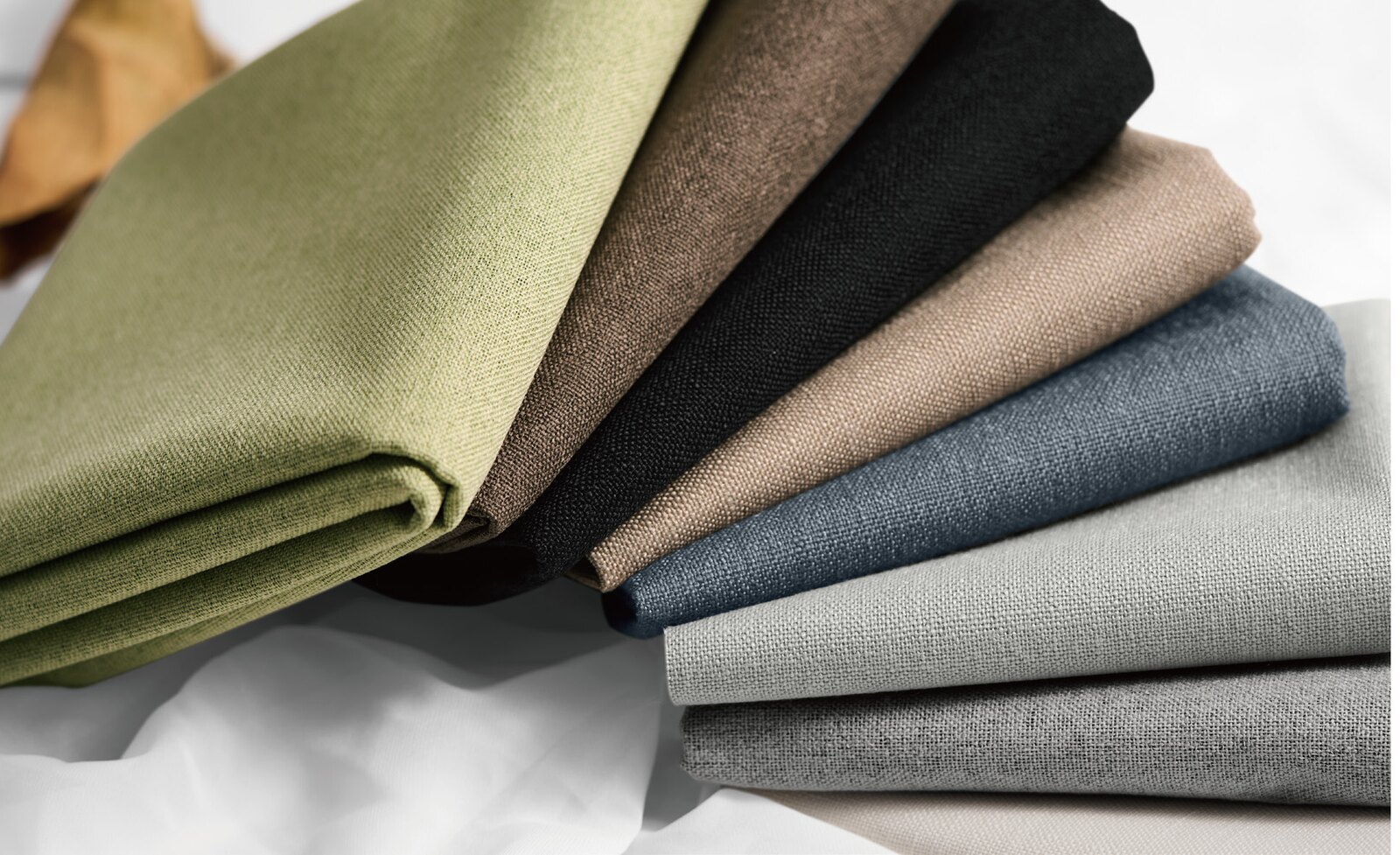
A heavy, textured linen Roman blind in soft grey will feel completely different from a smooth, matte roller blind in the exact same shade. Natural materials like woven wood and linen add warmth and organic texture, perfect for rustic, coastal, or Scandinavian-inspired interiors. Sleek, smooth fabrics in Venetian or roller blinds lend themselves to modern, minimalist spaces. Sheer fabrics — like those used in Zebra blinds — soften light and add a sense of airiness, almost like a permanent gentle haze of morning light.
How Light Changes Everything
Here’s something many people don’t consider: the colour you see on a fabric swatch in a shop is not the colour you’ll see on your window at home. Light passing through (or reflecting off) a blind changes its appearance dramatically depending on the time of day, the direction your window faces, and the colour of light in your room.
A warm cream blind in a north-facing room (which gets cooler, bluer light) might look slightly grey, while the same blind in a south-facing room (with warmer light) will look golden and inviting. Always, where possible, view fabric samples in your own space, at different times of day, before making a final decision.
Bringing It All Together
The best interiors don’t happen by accident — they happen because every element, including the blinds, was chosen with intention. Whether you’re aiming for a serene, blended look or a bold, statement-making contrast, your blinds are one of the most powerful (and often most overlooked) tools you have to shape the feel of a room.
At Dekoris, our team doesn’t just measure windows and hang fabric — we help you see the bigger picture. If you’re not sure which direction to take your space, we’d love to talk through your colour scheme and help you choose blinds that don’t just cover your windows, but complete your room.