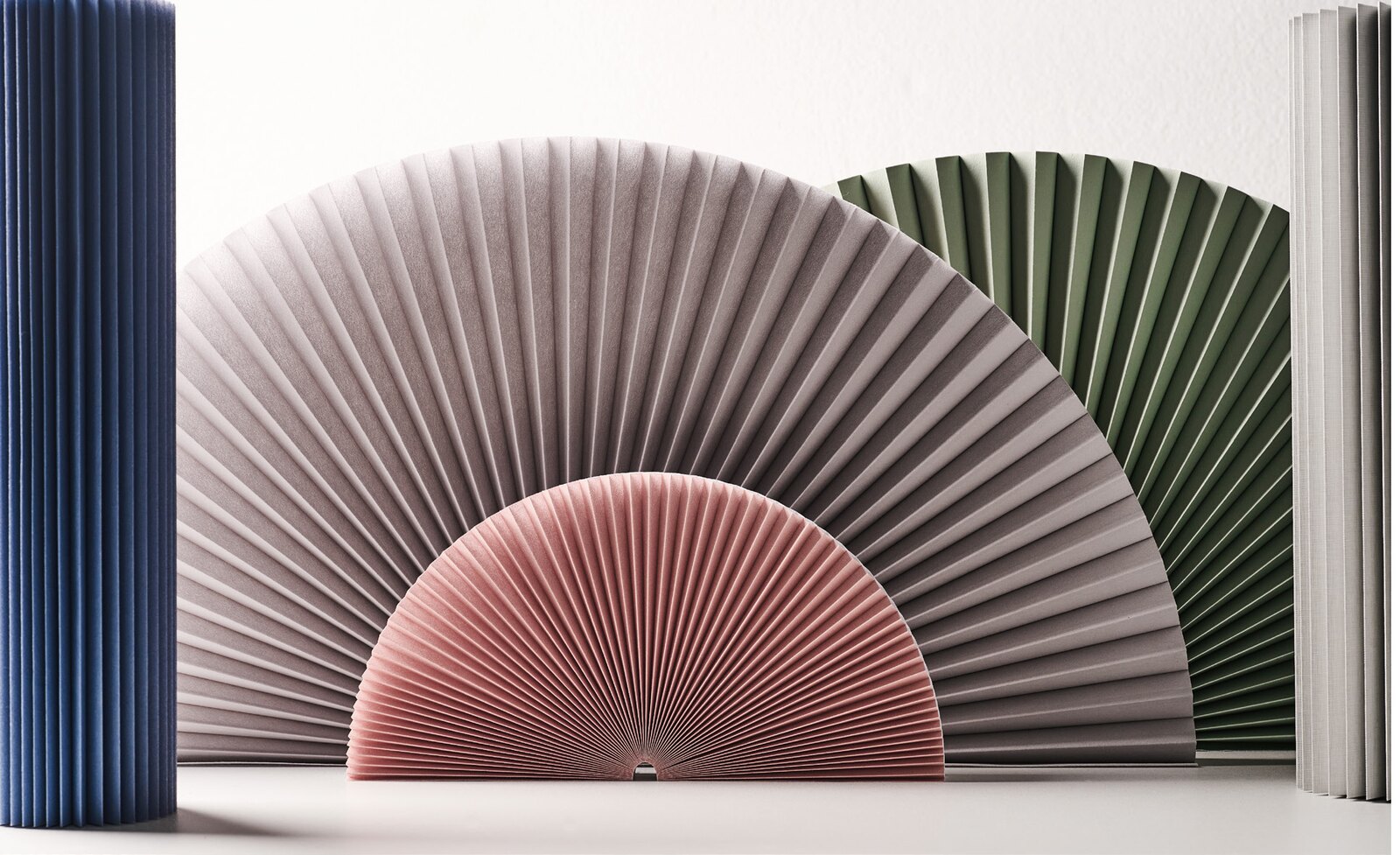
What if we told you there’s a window covering that doesn’t just look beautiful — it actively works to keep your home comfortable, reduces your energy bills, and pays for itself over time?
It sounds almost too good to be true, but honeycomb blinds (also known as cellular blinds) do exactly that. And once you understand the simple science behind how they work, you’ll wonder why every window in your home doesn’t have one.
So, What Exactly Are Honeycomb Blinds?
At first glance, honeycomb blinds might look similar to a pleated fabric blind. But look closer — or better yet, look at one from the side — and you’ll see the secret. The fabric is constructed into a series of distinct cells, each shaped like a honeycomb (hence the name), running horizontally along the entire length of the blind.
These cells aren’t just for looks. Each one is, quite literally, a pocket of trapped air.
The Simple Science: Why Trapped Air Is a Big Deal
Here’s the part that surprises most people: air is actually a fantastic insulator — when it’s trapped and not allowed to move. Moving air transfers heat quickly (think of a fan cooling you down, or a cold draft creeping under a door). But still, trapped air barely transfers heat at all.
This is the exact same principle used in double and triple-glazed windows, in winter coats filled with down, and in the walls of high-performance buildings. Honeycomb blinds bring that same principle to your windows in a beautifully designed, practical form.
When a honeycomb blind is lowered over a window, it creates a buffer zone of still air between your room and the glass. This buffer slows down the transfer of heat in both directions — which is exactly what makes these blinds so effective in every season.
Keeping You Cool in Summer
During the warmer months, windows are one of the biggest culprits for unwanted heat entering your home. Direct sunlight streaming through glass can turn a room into a greenhouse within hours, forcing your air conditioning to work overtime.
A honeycomb blind acts as a barrier, trapping that incoming heat within its cellular structure before it has a chance to fully radiate into the room. The result? A noticeably cooler room, even on the hottest days, and significantly less strain on your cooling system.
Keeping You Warm in Winter
Now flip the scenario. In winter, your heated indoor air is constantly trying to escape through your windows — which, even with good glazing, are typically the least insulated part of any wall.
The trapped air pockets in a honeycomb blind work in reverse during colder months: they prevent your warm indoor air from losing heat to the cold glass surface, keeping that warmth where you want it — inside your home. Many homeowners notice an immediate difference in how quickly a room loses warmth once a honeycomb blind is lowered for the evening.
Single, Double, and Triple Cell: What’s the Difference?
Not all honeycomb blinds are created equal, and the level of insulation depends on the cell construction:
Single cell blinds have one row of honeycomb pockets. They offer good insulation and are a great entry point for energy efficiency, while remaining lightweight and slim.
Double cell blinds feature two rows of cells, one nested behind the other, creating an additional layer of trapped air. This significantly improves thermal performance compared to single cell, making it a popular mid-range choice.
Triple cell blinds take this even further with three rows of cells, offering the highest level of insulation available in a cellular blind. These are ideal for rooms with particularly large windows, older single-glazed properties, or anywhere maximum energy efficiency is the priority.
The general rule is simple: the more cells, the greater the insulation — though even single cell options offer a noticeable improvement over standard blinds or curtains.
Beyond Temperature: The Other Benefits
While energy efficiency is the headline feature, honeycomb blinds bring a few other advantages worth mentioning.
Noise reduction — The same cellular structure that traps air also helps to dampen outside noise, making these blinds a popular choice for bedrooms, home offices, and properties on busy streets.
Sleek, modern aesthetic — Honeycomb blinds have a clean, structured look that suits contemporary interiors. When raised, they stack down into a remarkably slim, neat profile at the top of the window.
Light control options — From sheer, light-filtering fabrics to full blackout versions, honeycomb blinds are available in a range of opacities to suit every room — from sun-drenched living rooms to bedrooms that need complete darkness for a good night’s sleep.
UV protection — The fabric helps to filter and reduce harmful UV rays, which can fade furniture, flooring, and artwork over time.
An Investment That Works for You, Every Single Day
Unlike most home upgrades that simply look nice, honeycomb blinds are quietly working in the background every single day — moderating temperature, reducing the load on your heating and cooling systems, and helping to lower your energy bills month after month.
Over the lifespan of the blind, those small daily savings add up to a genuinely meaningful return on investment — all while giving your home a clean, elegant, and contemporary finish.
If you’re looking for a window treatment that combines style with real, tangible benefits, our team at Dekoris would love to help you explore our honeycomb blind collection and find the perfect fit — literally and figuratively — for your home.